

Doris Duke Artist Awards
Campaign announcing the 2024 awardees of the prestigious annual honors presented by the Doris Duke Foundation

Manuvo ‘Changemakers’
Branding for a documentary series to promote social change.

'Dear G20 Leaders'
A new campaign calling for global financial reform.

Isomorphic Labs
Beautiful Symmetry: Pentagram’s new website for Isomorphic Labs creates a new visual language for digital biology

Porsche
Social media campaign for Ramadan, connecting moments of collective celebration and individual contemplation.

Remission Biome
Brand identity for the radical new patient-centered healthcare organization.

‘One Day’
Title card and graphics for the Netflix series based on David Nicholls’s best-selling novel

‘Girls5Eva’
Title animations and graphics for the Emmy-nominated comedy series

‘Minx’
Seventies feminist graphics and vintage erotica inspire the magazine design and titles for the streaming comedy series

Chrysler Museum of Art
Visual identity for the museum in Norfolk, Virginia.

Viren
Naming, strategy and brand identity for a new high-performance activewear and loungewear apparel brand.

Chatsworth
Brand identity for Chatsworth and the Devonshire Group.

Saks Fifth Avenue
Identity and packaging for the iconic New York retailer

State Farm Stadium
A bold and iconic environmental graphic program for the Arizona Cardinals home and stadium

Mastercard
Brand identity to emphasize simplicity, connectivity and seamlessness
Spiritland
A waveform-inspired identity for a venue with a world-class sound system

William Morris Society
Identity for society dedicated to William Morris, an icon of Victorian Britain

Teabox
Identity, packaging, and website design for the tea commerce company

Circular 19
The 2016 edition of The Typographic Circle’s type-heavy magazine
The Barnes Foundation
Identity, wayfinding, and website design for the museum

DC Entertainment
Identity and logo for the iconic entertainment company

‘A Glacier's Requiem’
Book and record cover for photographic and audio recordings of melting glaciers

Cooper Hewitt Smithsonian Design Museum
Identity, website, and wayfinding design for the museum

The Old Vic
A story-driven identity for one of Britain’s best-known theatres
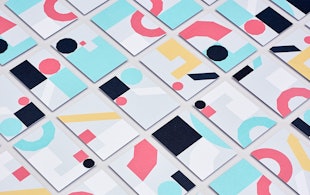
Graphcore
Identity, typeface and pattern generator for a machine learning start-up

Index Ventures
Brand identity for Europe's leading venture capital firm

Shake Shack
Identity, packaging, and signage for the popular burger chain
Oregon State University
Logo and identity for Beaver Nation
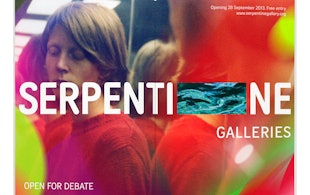
Serpentine Galleries
Brand identity for a British cultural giant

Starbucks
Environmental installation and augmented reality experience for a Milan flagship